“It was not a sham vote,” insisted Chatham Mayor Carolyn Dempsey at the July 8th Council meeting.
That was the Mayor’s reaction to proof that the Council had voted on a property tax proposal one week after a Borough lawyer notified the Tax Board that the Council had decided not to pursue that proposal.https://chathamchoice.org/2024/07/who-did-this/
Curious how that happened? Want to support your Mayor & Council? Just like to be in-the-know?
Come to the next Council meeting, which is set for Monday August 12, 7:30 pm, at Borough Hall, 54 Fairmount Avenue. Use the side door and take the elevator to the upper level.
“It was not a sham vote,” insisted the Mayor, saying she wasn’t aware of the discrepancy until two weeks later, when Bob Weber showed proof at the 7/8 Council meeting.
Now the Mayor needs to find out who made that call behind her back and let us residents know.
UPDATE: Does the employee’s explanation make any sense at all?
What’s up with the so-called “visioning workshop” the Mayor & Council have set for next Thursday, June 27, from 7 to 9 pm, at Borough Hall, 54 Fairmount Avenue?
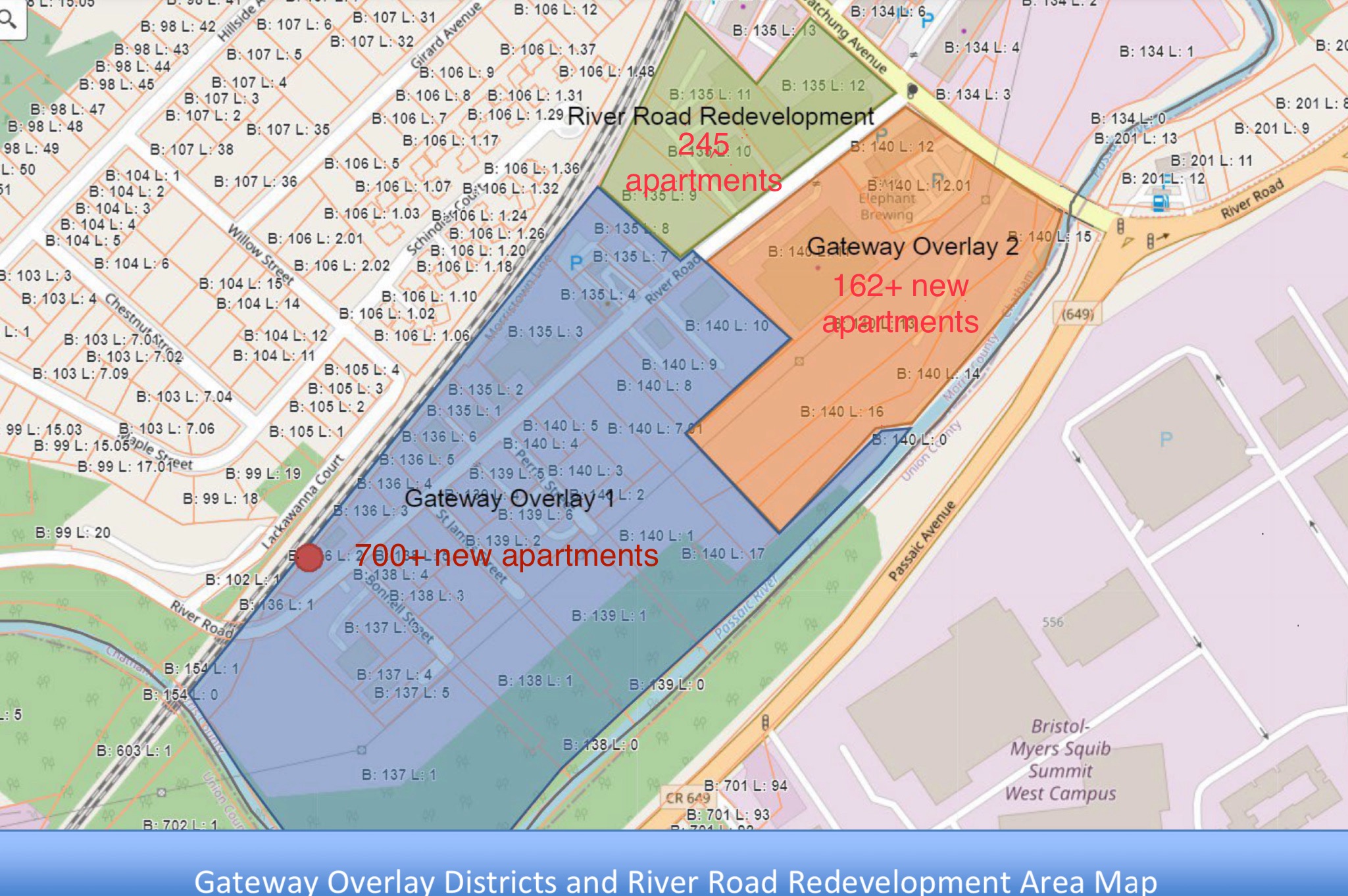
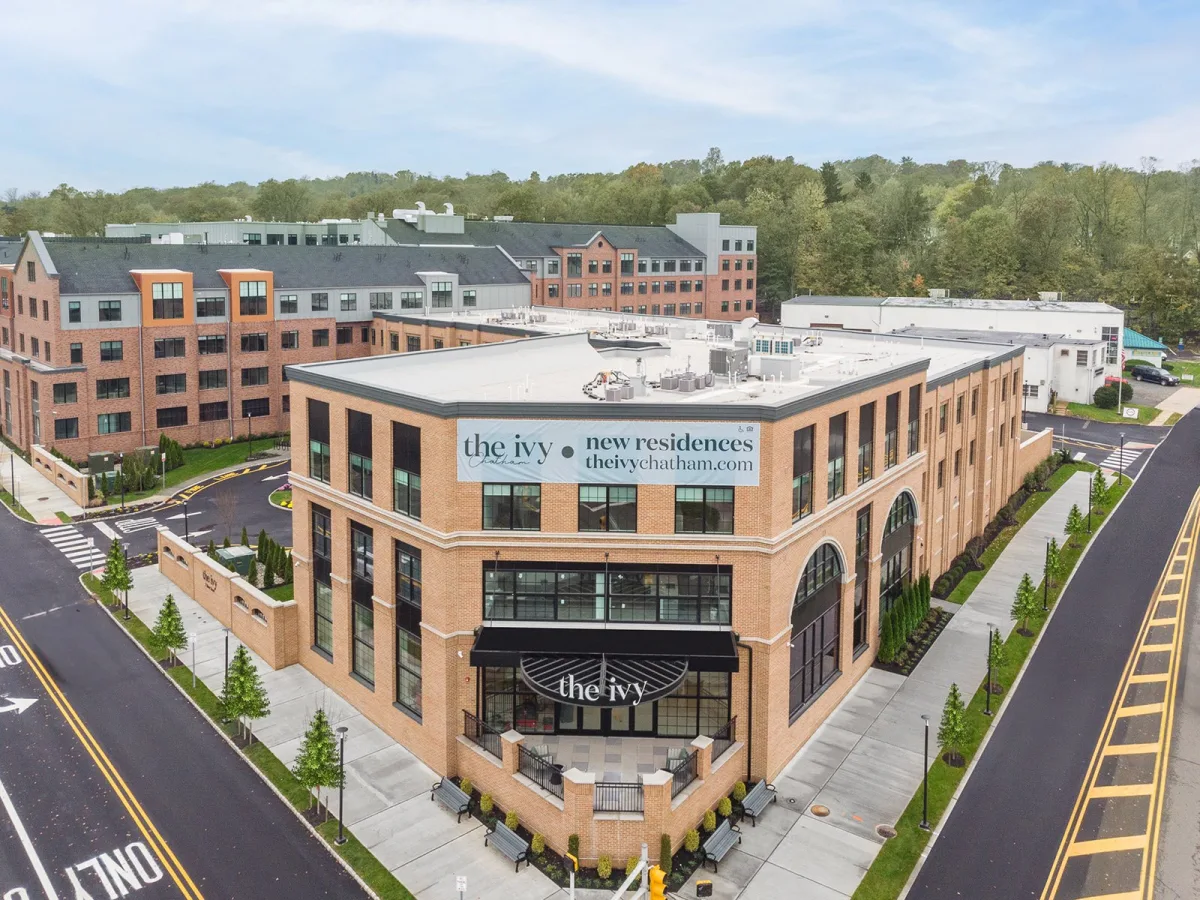
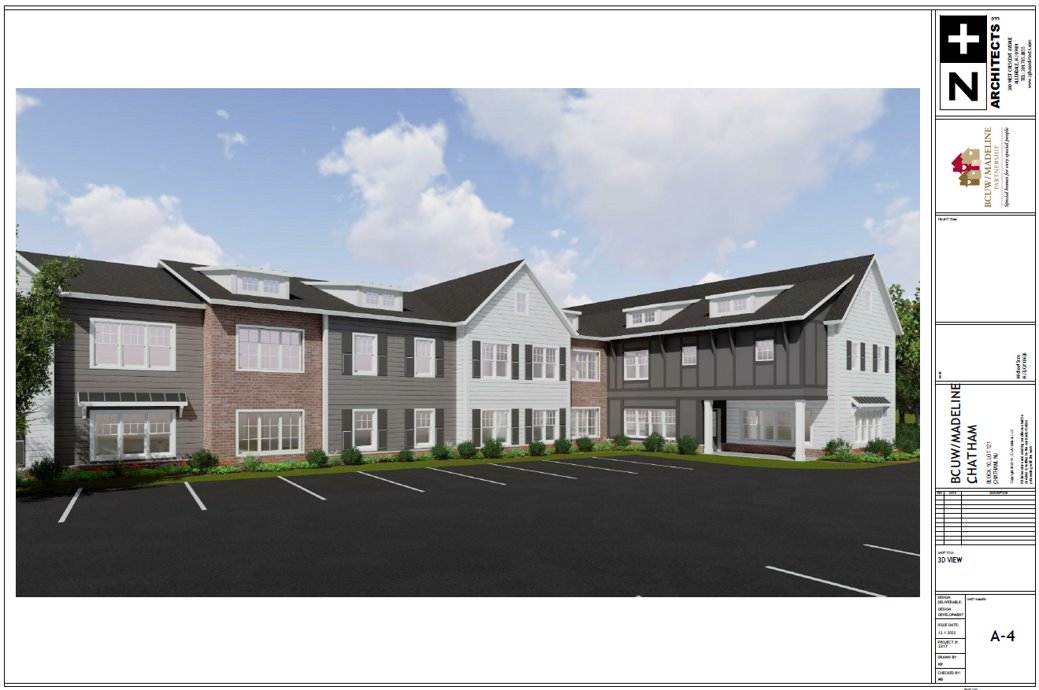
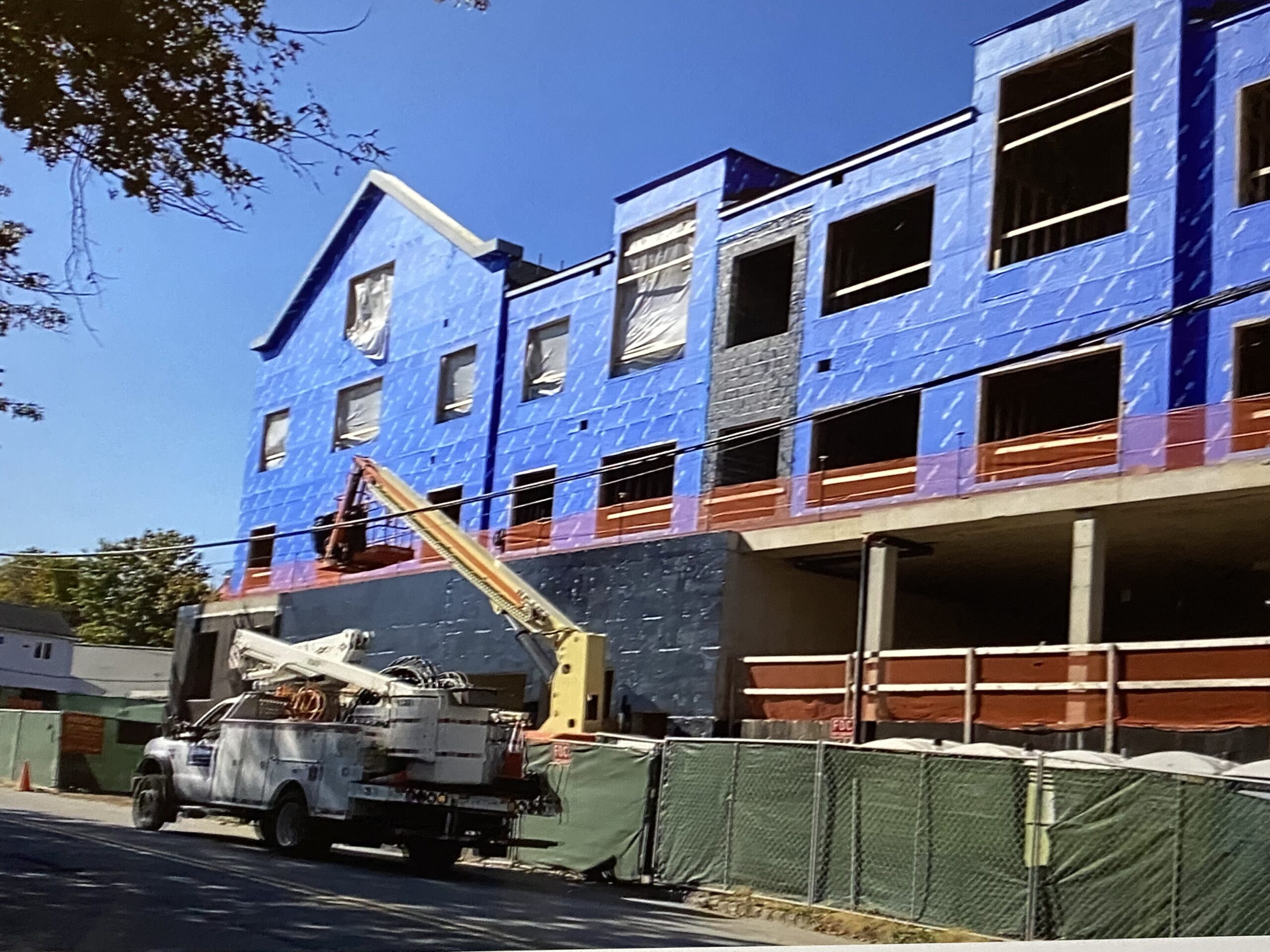
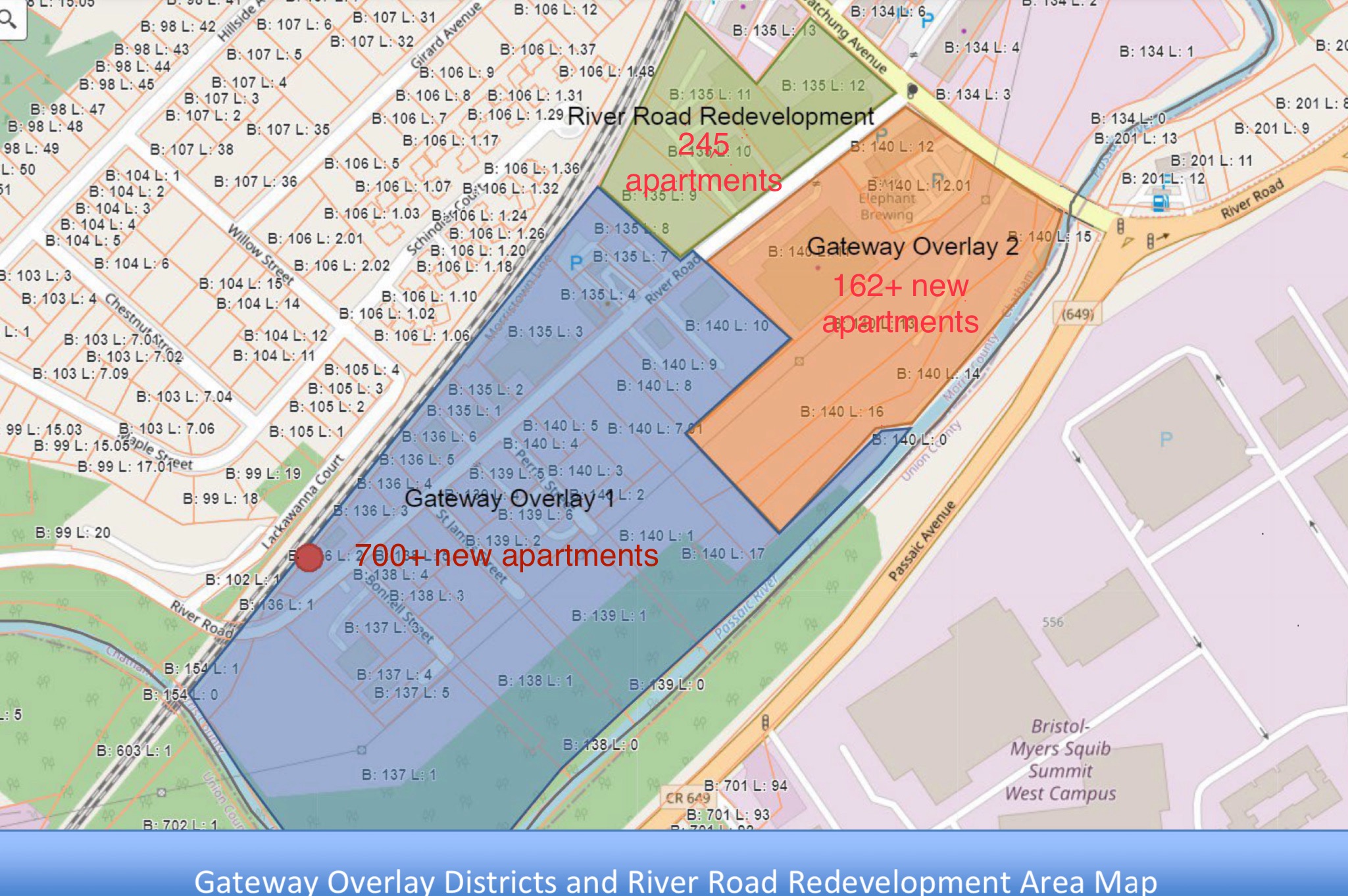
They’re testing public support for a plan to build 500 more rental apartments on River Road, near the 245-unit Ivy project at the corner of River and Watchung.
To achieve that, they would offer developers a 30-year property tax break, prompting them to build even if the market is weak, and forcing us taxpayers to assume the risk that the rents won’t keep up with rising municipal costs.
The alternative is for the Borough Council to wait and see if the River Road property owners choose to build more apartments without a tax break.
Left to their own devices, property owners may or may not build any more apartments on River Road anytime soon. Not unless, until, and to the extent they (and their lenders) think they can get rents high enough to pay regular property taxes and still make a nice profit.
That may not happen for many years – if ever – given current interest rates,.the 245-unit Ivy project sitting half empty next door and big apartment buildings springing up all over the state.
Under the circumstances, should the Borough Council panic and plunge ahead with a scheme to burden River Road with a second massive apartment project that may or may not produce enough revenue to cover Borough costs?
Or might it be wiser to wait and see how many more apartments the market can support at River Road?
(Either way, any new apartments will be at least 15% -20% affordable, and – contrary to what overdevelopment advocates would have you believe – the developer certainly won’t give the Borough a riverside park – or anything else – for “free.”)
Before making any plans for River Road, the Council needs to identify all the options, evaluate and compare the risks and benefits in light of market conditions and the effects on the Borough – both financial and in quality of life.
There are many different ways to meet state mandated affordable housing obligations, but unless the Mayor & Council get a jump on the deadlines, their options will be severely limited.
That’s why the Mayor has scheduled a public workshop for June 27: to let the public have its say before unveiling her plans.
Are the Mayor & Counciltaking the steps necessary to get a good result for the Borough?
Ask them!
Are you are investigating lower-density, environmentally superior options, like converting existing market rate apartments to affordable ones?
If not, why not? What are you waiting for?
Are you unaware that waiting means forfeiting options?
Are you unaware that if you procrastinate too long, we’ll be forced to accept more huge projects like the Ivy – or even bigger.
If you’re resigned to accepting more big projects, what are you doing to make sure we get a better deal this time?
Here are the deadlines facing the Mayor & Council (additions and corrections welcome):
03/31/24 – Deadline for the developer BNE to file the Periodic Report on Total Project Costs, due within 90 days of Substantial Completion under the terms of the December 2023 financial (PILOT) agreement for the Ivy at River Road
05/01/24 – Deadline for the Borough to bill the developer of the Ivy apartment project on River Road for the second quarterly payment of the annual property tax substitute known as a Payment In Lieu of Taxes (PILOT), which was unpaid as of 06/10/2024
06/18/24 – Deadline for the Borough to report non-residential fees collected for the Affordable Housing Trust Fund
06/30/24 – Deadline for the Borough to submit to the Morris County Superior Court and Fair Share Housing Center a quarterly report on the progress of the 15-unit, 100% affordable project to be built on Bowers Lane in Post Office Plaza
08/01/24 – Deadline for the Borough to bill the developer of the Ivy apartment project on River Road for the third quarterly payment of the annual property tax substitute known as a Payment In Lieu of Taxes (PILOT), which has gone unpaid as of 06/10/2024
09/16/24 – Deadline for the Borough to report residential fees collected for the Affordable Housing Trust Fund
09/30/24 – Deadline for the Borough to submit to the Superior Court and Fair Share Housing Center a quarterly report on the progress of the 15-unit, 100% affordable project to be built on Bowers Lane in Post Office Plaza
10/20/24 – Deadline for the state to announce the Borough’s affordable housing quota for Fourth Round 2025-2035
11/01/24 – Deadline for the Borough to bill the developer of the Ivy apartment project on River Road for the quarterly payment of the annual property tax substitute known as a Payment In Lieu of Taxes (PILOT), which had gone unpaid as of 06/10/2024
12/31/24 – Deadline for the Borough to submit to the Superior Court and Fair Share Housing Center a quarterly report on the progress of the 15-unit, 100% affordable project to be built on Bowers Lane in Post Office Plaza
01/31/25 – Deadline for the Borough to adopt a resolution accepting an affordable housing quota for Fourth Round 2025-2035
02/28/25 – Deadline for “interested parties” to challenge the Borough’s Fourth Round 2025-2035 affordable housing quota in a new dispute resolution program
03/31/25 – Deadline for the IVY developer BNE to submit the Auditor’s Report to the Borough and DCA
03/31/25 – Deadline for the Borough to begin construction of the 15-unit, 100% affordable apartment project on Bowers Lane in Post Office Plaza.
03/31/25 – Deadline for the Borough to submit to the Superior Court and Fair Share Housing Center a quarterly report on the progress of the 15-unit, 100% affordable project to be built on Bowers Lane in Post Office Plaza
06/30/25 – Deadline for the Borough to file its Housing Element & Fair Share Plan, including a new showing that it’s consistent with state policy on development and redevelopment
08/31/25 – Deadline for challenges to the Borough’s Housing Element
12/31/25 – Deadline for the Borough to settle challenges to its Housing Element or explain why it won’t make the changes requested
03/15/26 – Deadline for the Borough to adopt any and all the ordinances, rezoning, and redevelopment areas required by the Housing Element
03/31/26 – Deadline for the Borough to get a Certificate of Occupancy on the 15-unit, 100% affordable project on Bowers Lane in Post Office Plaza
09/26/26 – Expiration of the Borough Third Round immunity from builders’ remedy lawsuits and exclusionary zoning challenges
Can we stop the overdevelopment that is beginning to choke the roads of Chatham Borough, pollute our air, inflate our taxes, and even threaten to swamp our schools?
Yes, we can.
All we need to do is to hold our new Mayor & Council accountable for not selling us down the riveragain, as they did with the monstrosity at the corner of Watchung Avenue and River Road.
We can do that. You can help.
Tell the Mayor & Council not to make any more concessions to the would-be overdevelopers. Make them promise not to sign any more PILOT agreements, waiving the developer’s property taxes at the expense of the rest of us. Make them promise to do their due diligence and hold out for terms favorable to the Borough.
We need to start asking questions, demanding answers and promises, and holding our Mayor & Council accountable now, before they make any irreversible decisions.
Strong, sustained, public scrutiny and pressure can inspire and empower our elected representatives to stand firm in negotiations with tough real estate sharks, backed by teams of experts wielding state laws that give developers the upper hand.
Are you wondering why the Council would even consider another project at River Road, given the massive, 245-unit Ivy apartment project that just went up at the corner of River and Watchung?
Simple: Knowing that both political parties have so weakened our zoning laws that they cannot prevent construction of two more giant apartment projects at River Road, the Mayor & Council aspire only to gain some influence over the new projects by adopting some new redevelopment plans. https://patch.com/new-jersey/chatham/chatham-marks-some-river-road-lots-need-redevelopment
As at the Ivy, the new developments will be out of the reach of most retirees, millennials, and young families, because almost all of the apartments will be offered at market rates, with monthly rents between $3,000 for one bedroom apartments, and $7,000 for three bedroom units. How many downsizers or young families can afford that?
Only 15% of the new apartments will be set aside for low and moderate income families. That means Chatham would have to accept 1,000 new units (a more than 30% increase in density) to get even 150 units toward our ever increasing affordable housing quota.
Chathamites won’t get first dibs on the affordable apartments, either. But Chatham taxpayers will suffer higher density, pollution, and lower quality of life. And that’s a best-case scenario, which the Mayor & Council could achieve only with deft negotiation.
If the Council doesn’t stand strong, but rather succumbs to the developer’s standard demand for a 30-year PILOT property tax exemption, that will mean higher taxes for everyone else and it will leave the Borough on the hook to meet increasing demands for municipal services.
Negotiated PILOT payments-in-lieu of taxes should help with those expenses, but it’s the Borough that will bear 100% of the risk that the revenue projections won’t pan out, as is happening at similar projects that have been reduced to offering discounts: https://www.woodmontstation.com/
If the statewide luxury apartment construction frenzy leads to a glut, causing the bubble to burst and rent rolls to plummet, it will be a disaster for Chatham Borough.
Of course, by then the developer will be long gone, and Borough taxpayers will be left holding the bag.
What about the nice public “amenities,” like the riverside trail our Mayor wants to see along the Passaic? It could happen.
Then again, once the Council adopts a redevelopment plan, the would-be developer will begin to chip away at the requirements, until there’s nothing left for the public, as happened with the monstrous 245-apartment Ivy project.
The lesson is clear: Our Mayor & Council should negotiate the best possible deal, and refuse to finance it with a PILOT tax break no matter how many sweet promises the developers make.
In short, while our Mayor & Council cannot prevent more development at River Road, they need not and must not sacrifice the long-term well-being of the Borough by waiving any more requirements or granting any PILOT agreements.
If a developer won’t build without a PILOT, that means it’s a bad deal and the Borough shouldn’t get involved.
But to get that “free” help, what would we need to sacrifice in lower quality of life, more traffic, pollution, crowded schools, higher municipal and school costs?
And is it really “free” if in return we must grant the developer a PILOT tax exemption, causing higher property taxes for the rest of us?
Shall we plunge ahead on blind faith or shall we first do our due diligence?
Would a pretty trail along the Passaic River really make up for all that sacrifice?
This Monday night, January 8, the Borough will swear in our new Mayor, civic-minded second term Council member Carolyn Dempsey, and three new Council members, all hand-picked by the local Democrat party leaders with no opposition.
What can we expect of them? Plenty of ceremonies, concerts, and celebrations to be sure.
But behind the scenes, our new Mayor & Council will soon face serious challenges, and will need to make big decisions that will affect all of us for many years to come. Here are some important ones:
1. Post Office Plaza
This month marks the deadline for the Mayor & Council to either:
secure enough grant money to construct a 15-unit, 100% affordable apartment house at Post Office Plaza; or else
borrow whatever it takes to build that project – potentially $6 million or more – while continuing to seek grants, as agreed in 2022.
We should all thank former Mayor Thaddeus Kobylarz, then-Council members Len Resto and Frank Truilo, and Council member Irene Treloar for achieving that agreement. It’s a far better outcome than the 100+ rental unit, 85% luxury alternative the other Council members were pushing then, and a far, far better outcome than the 230-rental unit monstrosity the Harris administration was ready to go with in 2019. But now it’s time to get to work.
By the end of March, the Borough must break ground on the 15-unit project, and it must have a Certificate of Occupancy by March 2025, after which the Borough will serve both as the provider of municipal services and as landlord for the next 30 years.
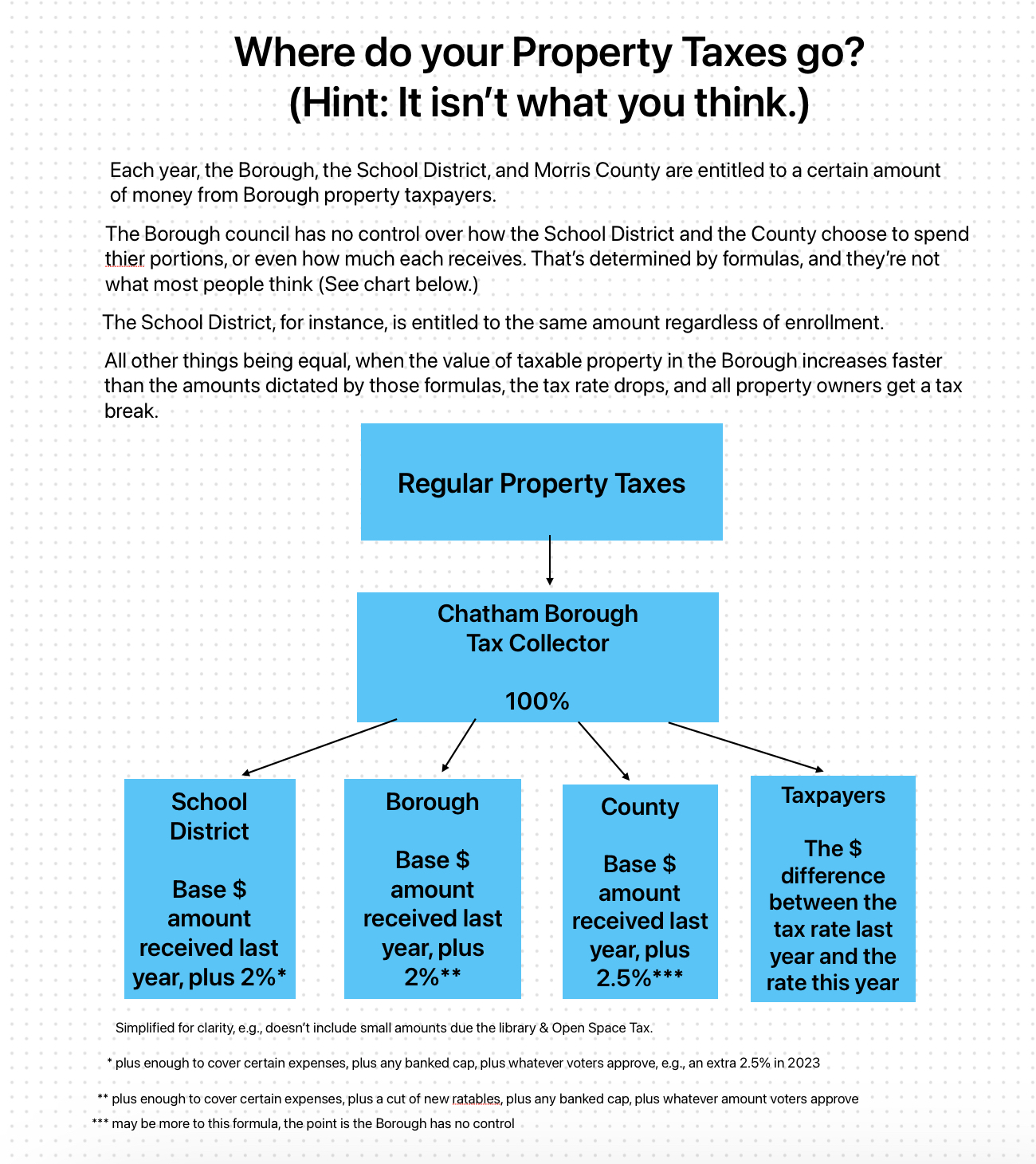
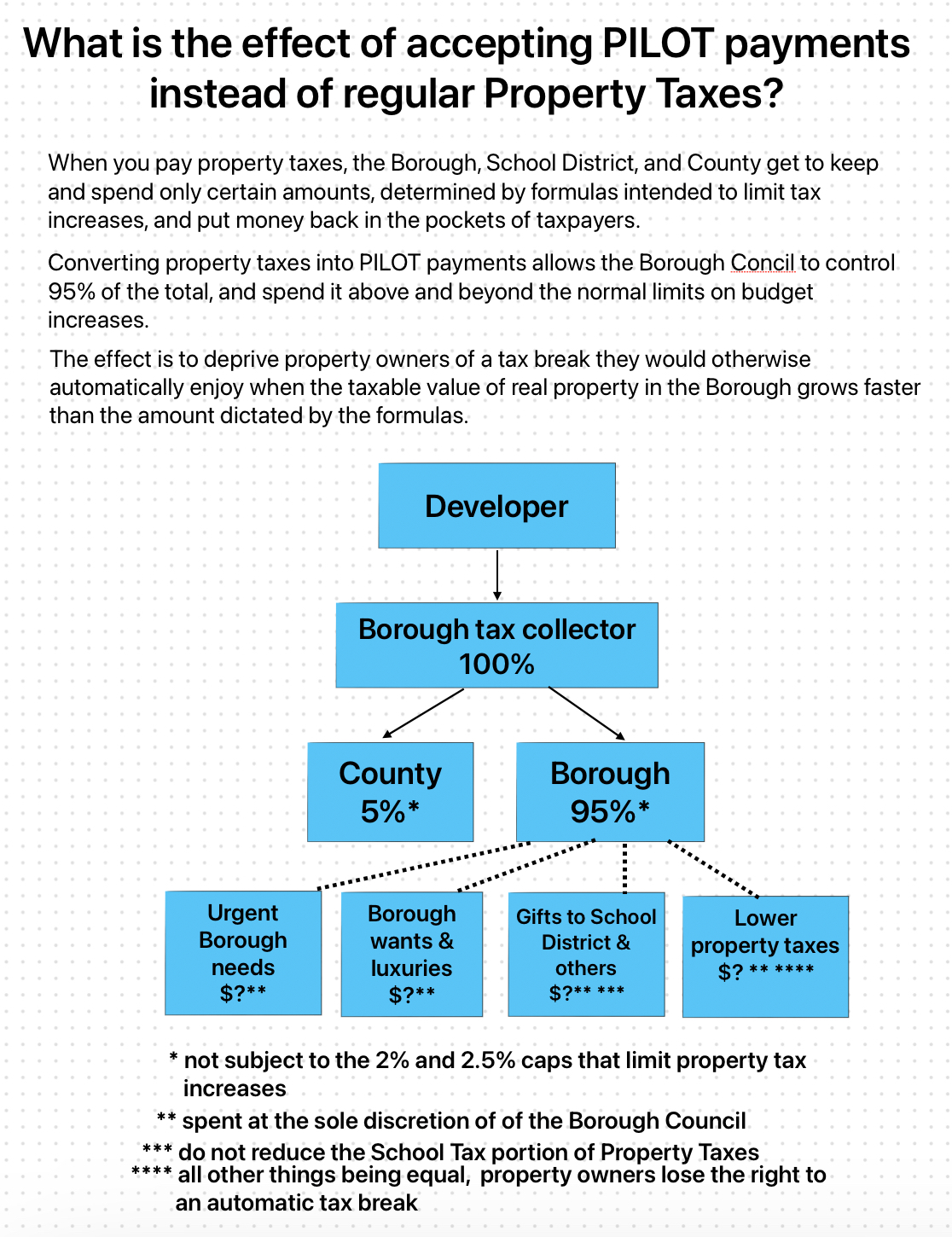
The big, tax-exempt Ivy housing project on River Road should soon begin to help earn its keep by making payments-in-lieu-of-taxes, also known as PILOT payments. The Council will need every penny to pay for necessities, including new fire trucks, and luxuries like the Stanley Center.
At the same time, the Council will continue to face intense pressure to donate some funds to the joint public School District, based on the mistaken belief that PILOTs cheat the schools.
If the Council succumbs to that pressure, Borough taxpayers will bear more than our fair share of School District expenses, and the Council will need to borrow more money to fulfill its own responsibilities.
The Council would best serve its constituents by flatly denying those demands and reminding the School Board that the School District can and should make any appeal for more funding directly to the taxpayers, by putting on the ballot either a referendum or a second question as it did last November.
For the Council to make a deal directly with the School District, no matter the dollar amount or purpose, would be to cut the taxpayer out of the process. That would be unnecessary, inappropriate, and irresponsible unless taxpayers unequivocally consent to delegate that decision to the Council.
3. More development at River Road
As the Third Round of Affordable Housing obligations winds down, and the July 2025 start date for the Fourth Round nears, the Borough can expect a spate of applications to build multi-family apartment projects, no doubt including one at the Bradley lots on Main Street, the subject of a 2020 lawsuit against the Borough.
The Borough cannot allow all of that construction without sacrificing the small town charm that makes Chatham attractive. And yet, to refuse any of those proposals will be to take a chance on another expensive and risky tussle in court.
It seems the new administration is inclined to solve that problem by sacrificing the rest of River Road to a sea of 862 additional residences.
The rationale is that the Borough cannot prevent construction of more than 800 additional apartments there, so the Mayor & Council might as well try to negotiate for some control and a few public benefits by adopting another redevelopment plan.
That is a mirage. Sure, eager developers will promise to throw in a “free” jogging path along the Passaic River and maybe some extra help meeting our affordable housing quota. But in exchange they will expect the Council to grant them permission to build even bigger housing projects, and to waive all property taxes, which will reduce our tax base.
All other things being equal, deals like that will mean higher property taxes for the rest of us. In effect, Borough taxpayers will bear the cost of that “free” jogging path and a little affordable housing, and will face increasing municipal expenses with potentially inadequate funds.*
Before embarking on another big project, our new Mayor & Council should do their due diligence. At the very least, they should unleash their best experts to help them explore the many other ways the Borough could meet its affordable housing quota, including subsidizing the conversion of existing apartments from market rate to affordable.
Yes, that would cost us, but so does the “free” help the big developers offer. And the time to explore it is now, before it’s too late to pursue it, as happened in the Third Round, when the Council deferred too much to hired experts and wound up with only a few poor options for the redevelopment of Post Office Plaza in 2022.
If the Mayor & Council do choose to pursue another redevelopment project, they must take care not to repeat the mistakes of the past, such as overestimating the PILOT revenues and letting BNE slide on the promised solar panels at the Ivy.
Perhaps most important are for the Mayor & Council to: 1) refrain from placing blind faith in experts; 2) maintain control on matters of policy, instead of ceding those decisions to experts; and 3) stand firm in negotiations, refusing to waive any rights or negotiated terms without strong justification and ample compensation.
4. Surviving Round Four
In the Fourth Round of Affordable Housing that begins in July 2025, the Borough will need to:
negotiate with Fair Share Housing Center as to an additional affordable housing quota for the period 2025-2035;
persuade a Superior Court judge to approve a fair settlement; and
satisfy the judge that the Borough is living up to its promises so the judge will extend through 2035 the Borough’s immunity from builders’ remedy lawsuits and exclusionary zoning challenges.
Unless the Mayor & Council can satisfy the Superior Court on that score by September 29, 2026, the Borough will lose its immunity, leaving it vulnerable to more lawsuits and severe punishments, including the loss of what little control we still have over zoning and planning, as has happened in towns like Millburn and Englewood.
That said, it’s absolutely critical for the Mayor & Council to stand firm, refusing to waive any rights or compromise its negotiating position in any way without strong justification.
5. Revising the Master Plan
By 2026 Chatham must reexamine its Master Plan, the all-important document that will determine our local zoning and development policy through 2036.
That’s serious business. Even an innocent error in the Master Plan could spell disaster for Chatham.
So though it’s the Planning Board that will do the heavy lifting, the Mayor & Council should make it their business to understand the nuances and implications, be vigilant, and raise their concerns in time to make a difference in the outcome for Chatham.
* What’s the difference between property taxes and PILOT payments?
Yes. Your Chatham school taxes will go up 4.5% next year.
State law allows our School Board to PERMANENTLY raise our school taxes by 2% each year.
This year, they’re also going to PERMANENTLY raise taxes an extra 2.5% ($1.75 million) unless residents vote that down at the polls in November.
Not only will that mean a 4.5% increase next year, it will also mean that our school taxes will increase faster in the future, and there will be no way to reverse the effect. Even the automatic 2% annual school tax increase will be based on a bigger number every year going forward.
Why would the School Board do that?
They say they need an extra $1.75 million next year. That includes $900,000 (a 1.3% increase) to provide health benefits for full-time teachers’ aides, and another $850,000 (a 1.23% increase) to put security vestibules in all the schools.
Before we vote on such a significant tax increase, we need and deserve some facts and answers.
For instance, what other options did the School Board consider? Why couldn’t they fit those expenses into the regular $86.3 million school budget?
Most important, why not simply raise just enough to pay for the security doors? Why a PERMANENT tax increase?
A permanent increase may make sense for recurring expenses, like health benefits, but not for the one-time cost of security doors. They say there will be other security expenses. But what are they?
At the very least, the School Board should spell out exactly what it intends to do with the extra $850,000 in each of the next ten years after the security doors are in place.
It’s your money. They’re your schools. Your children.
Get the facts.
Go to the School Board meeting on Monday September 18, 2023 at 7:30 pm in the High School auditorium.
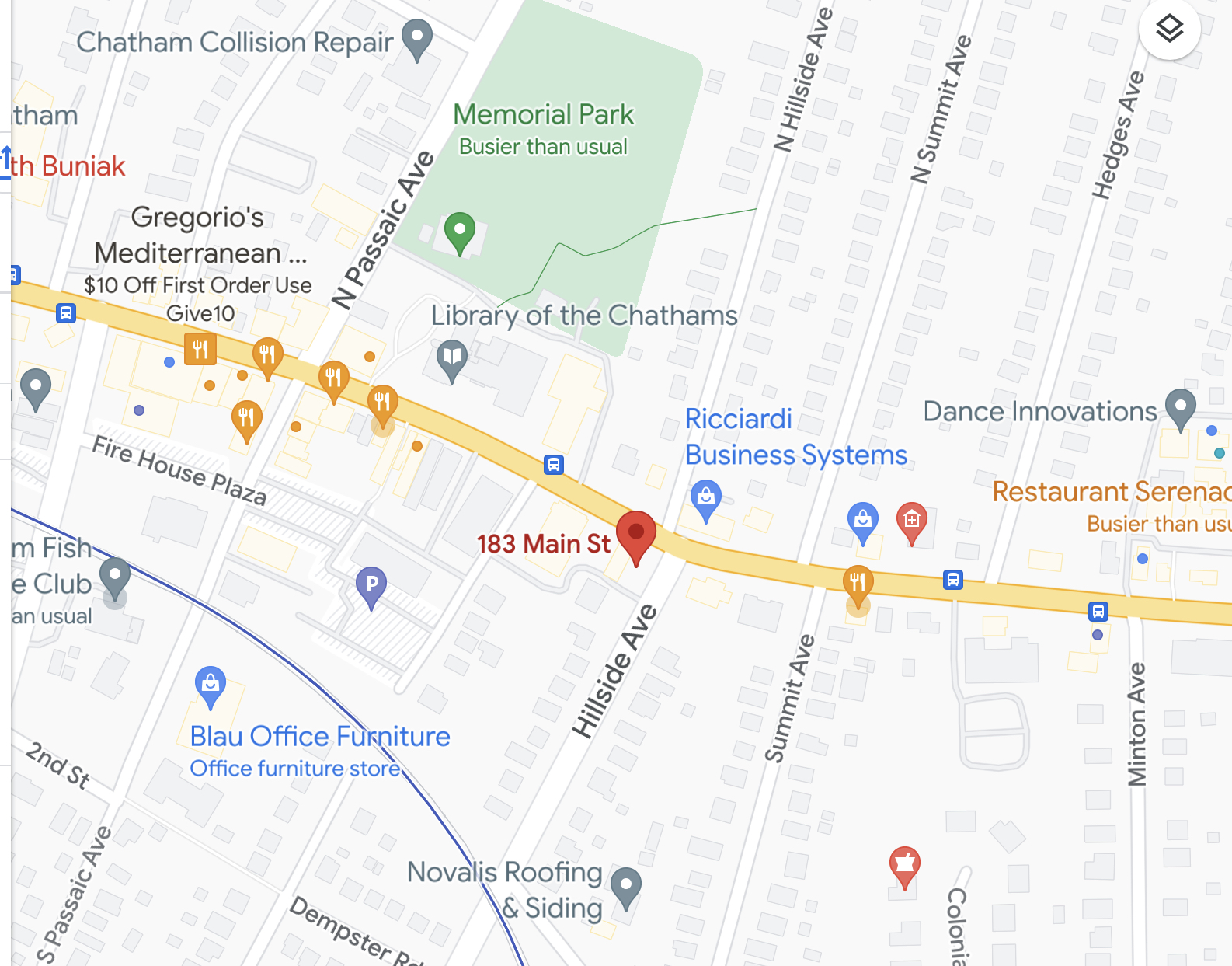
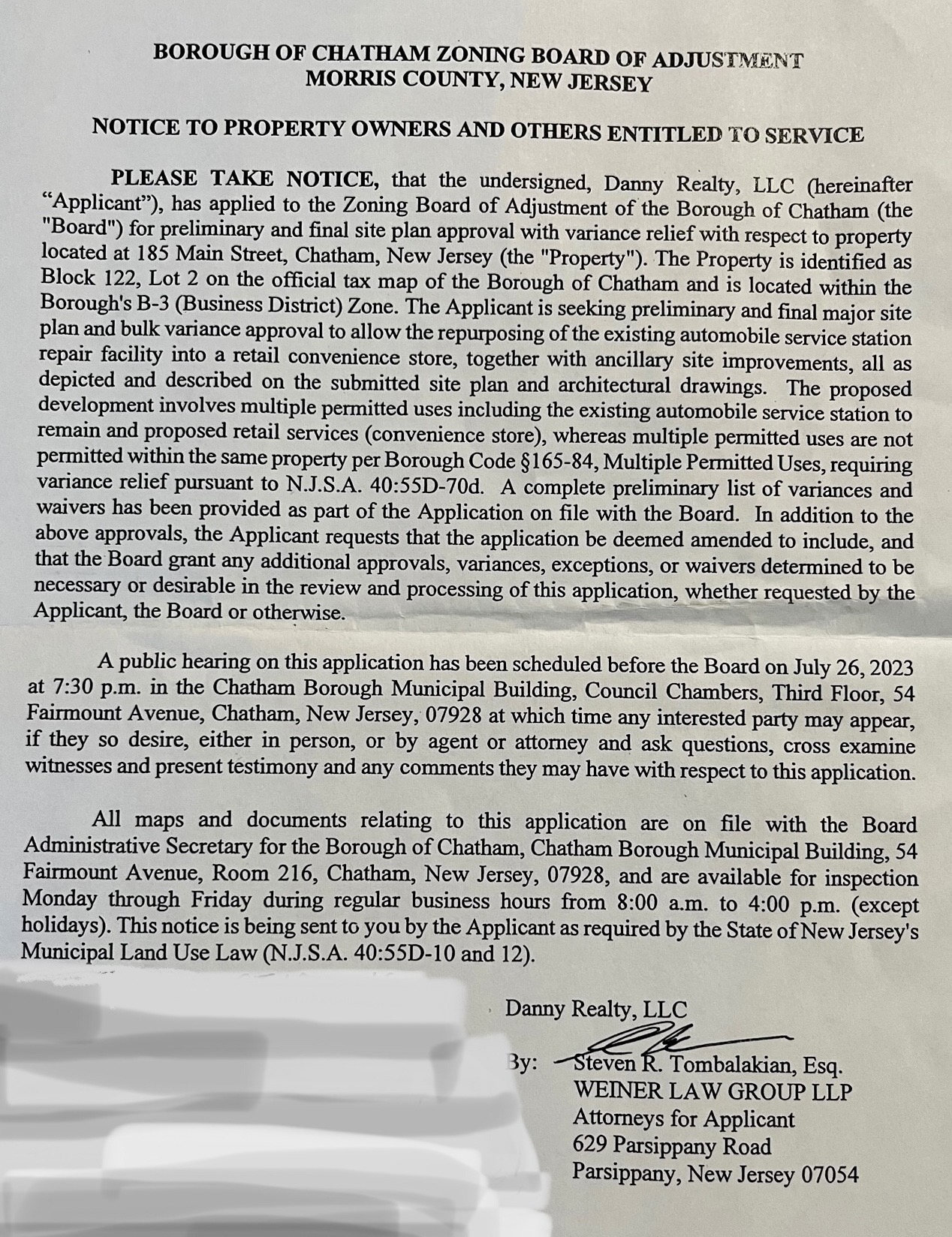
Would you like to see a convenience store/gas station in Chatham’s Main Street Historic District?
Should our Zoning Board waive the normal rules to allow that?* **
Come to the public Zoning Board hearing.
NEW NEW Date!
December 20, 7:30 pm, at Chatham Borough Hall, 54 Fairmount Avenue, upper level.
What’s this all about?
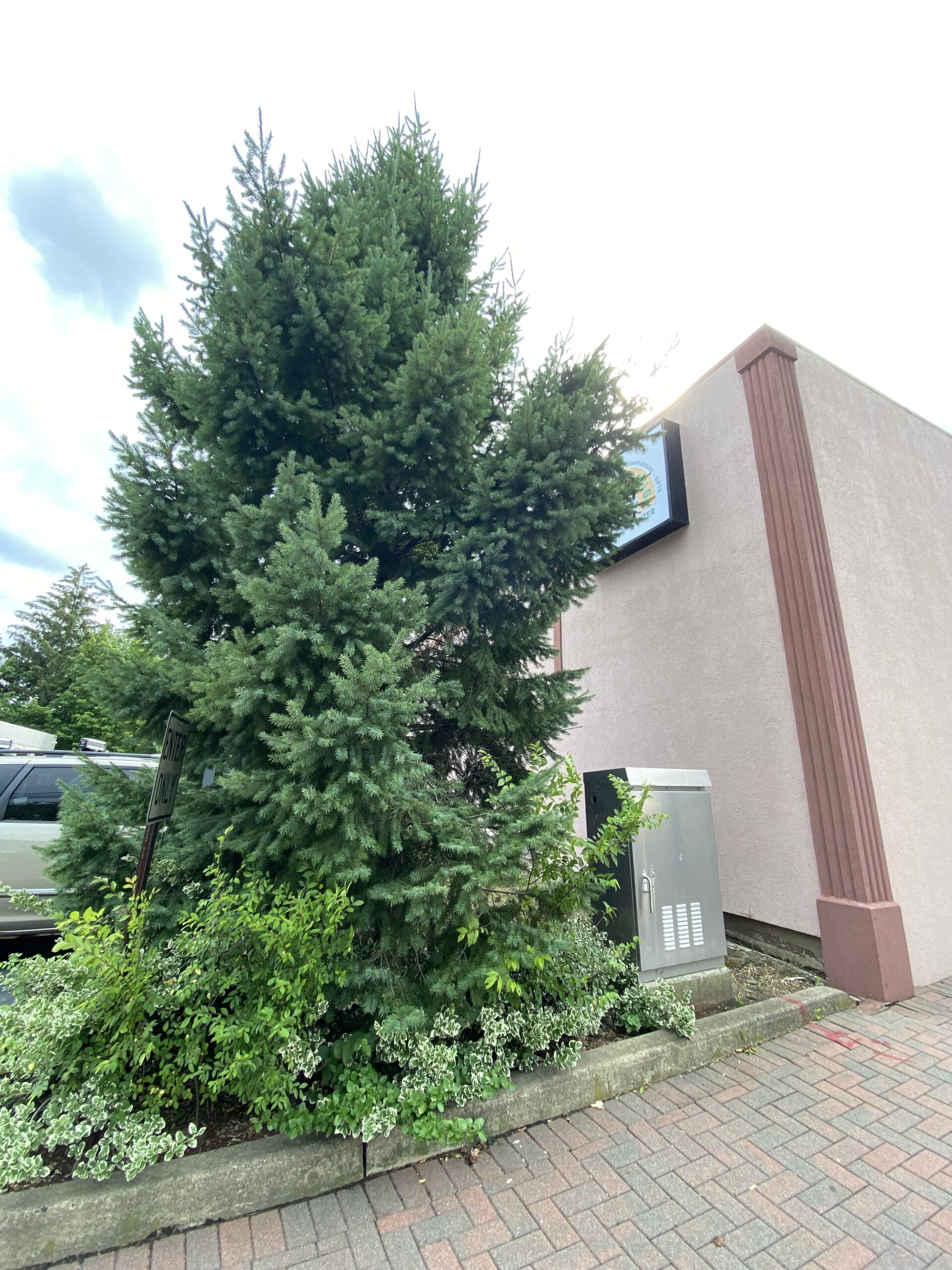
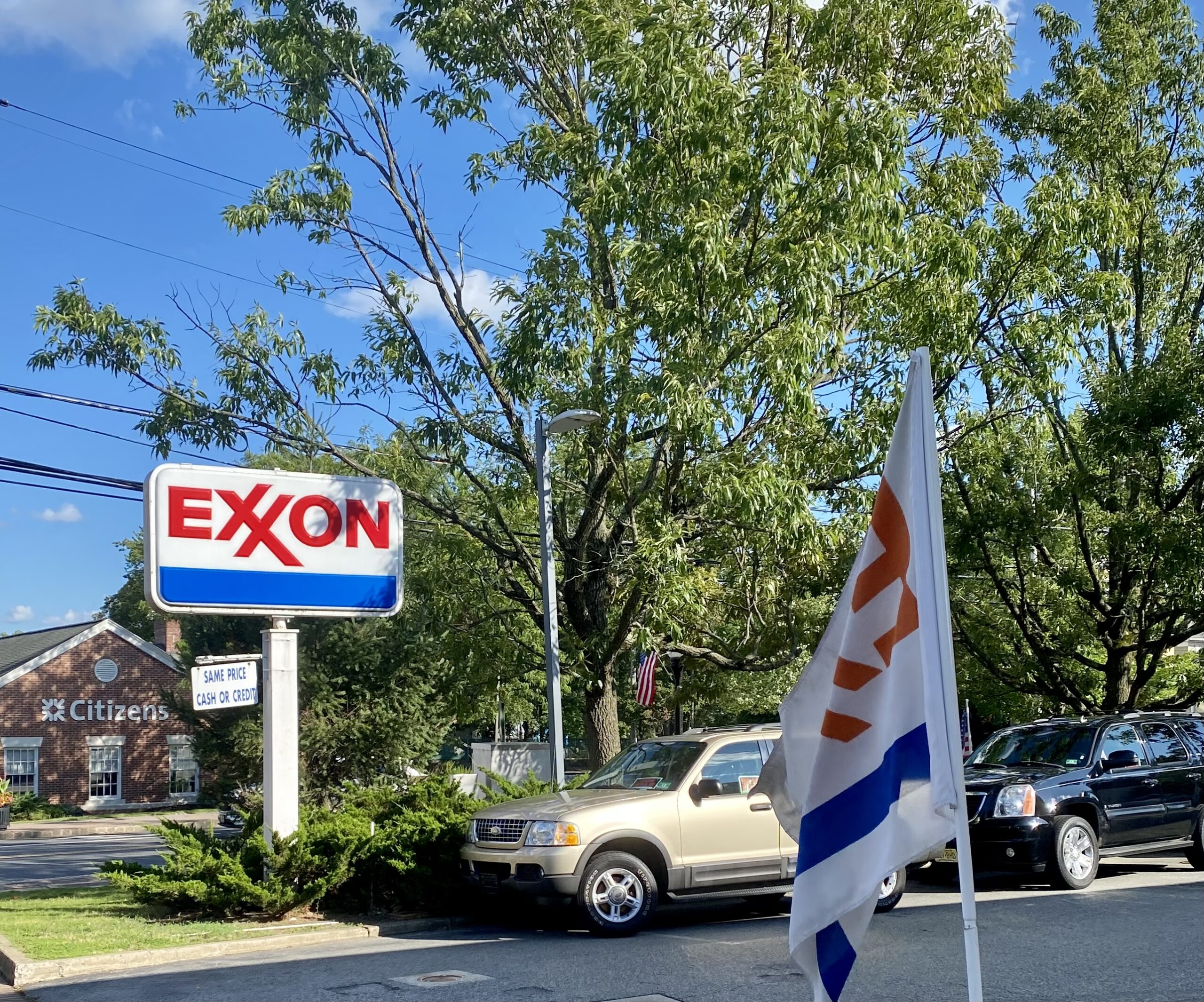
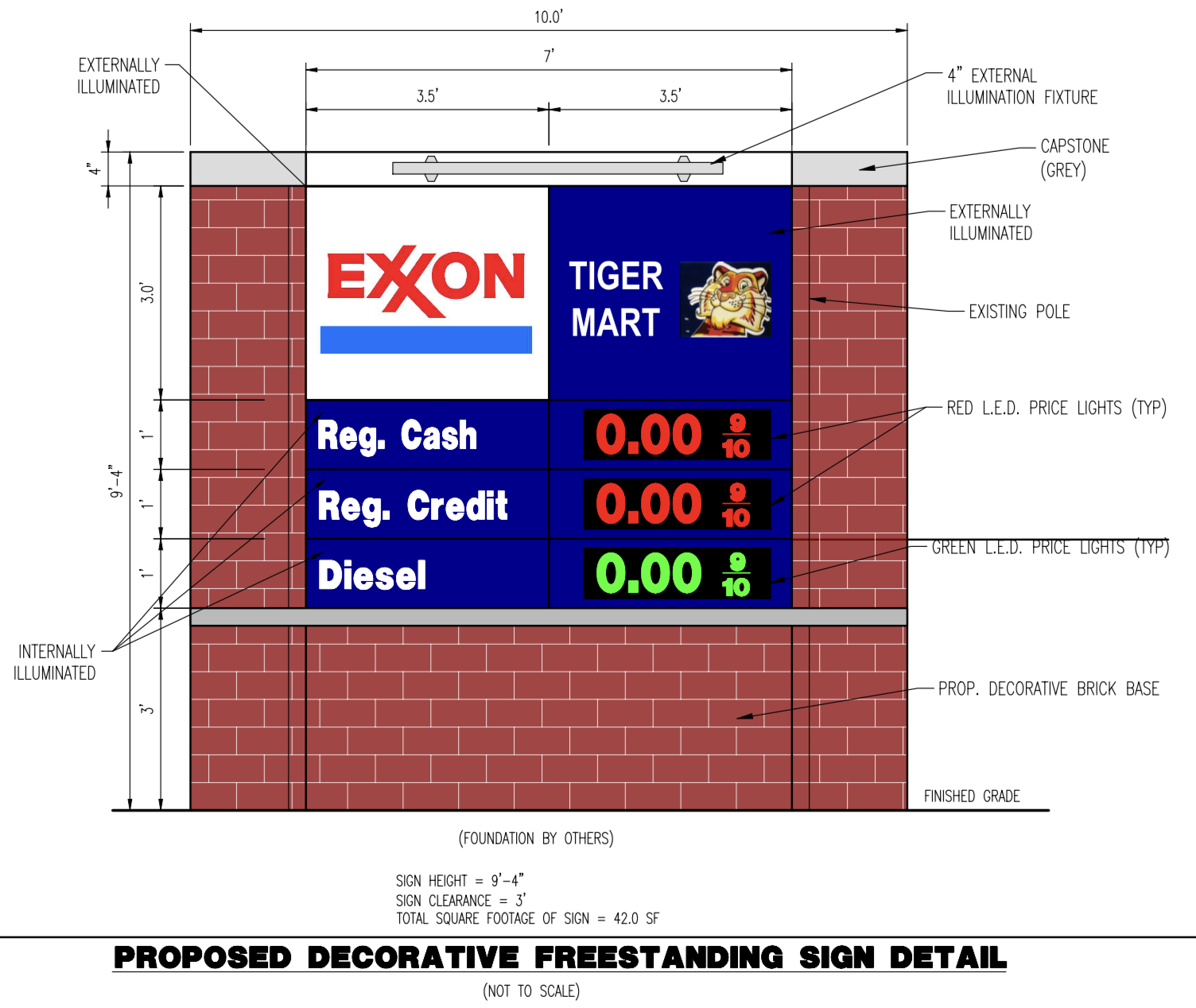
The new owner of the Exxon station on Main Street hopes to add a convenience store that’s inconsistent with our Borough Zoning laws.. To go ahead, he must convince the Zoning Board that adding that store would be good for Chatham.***
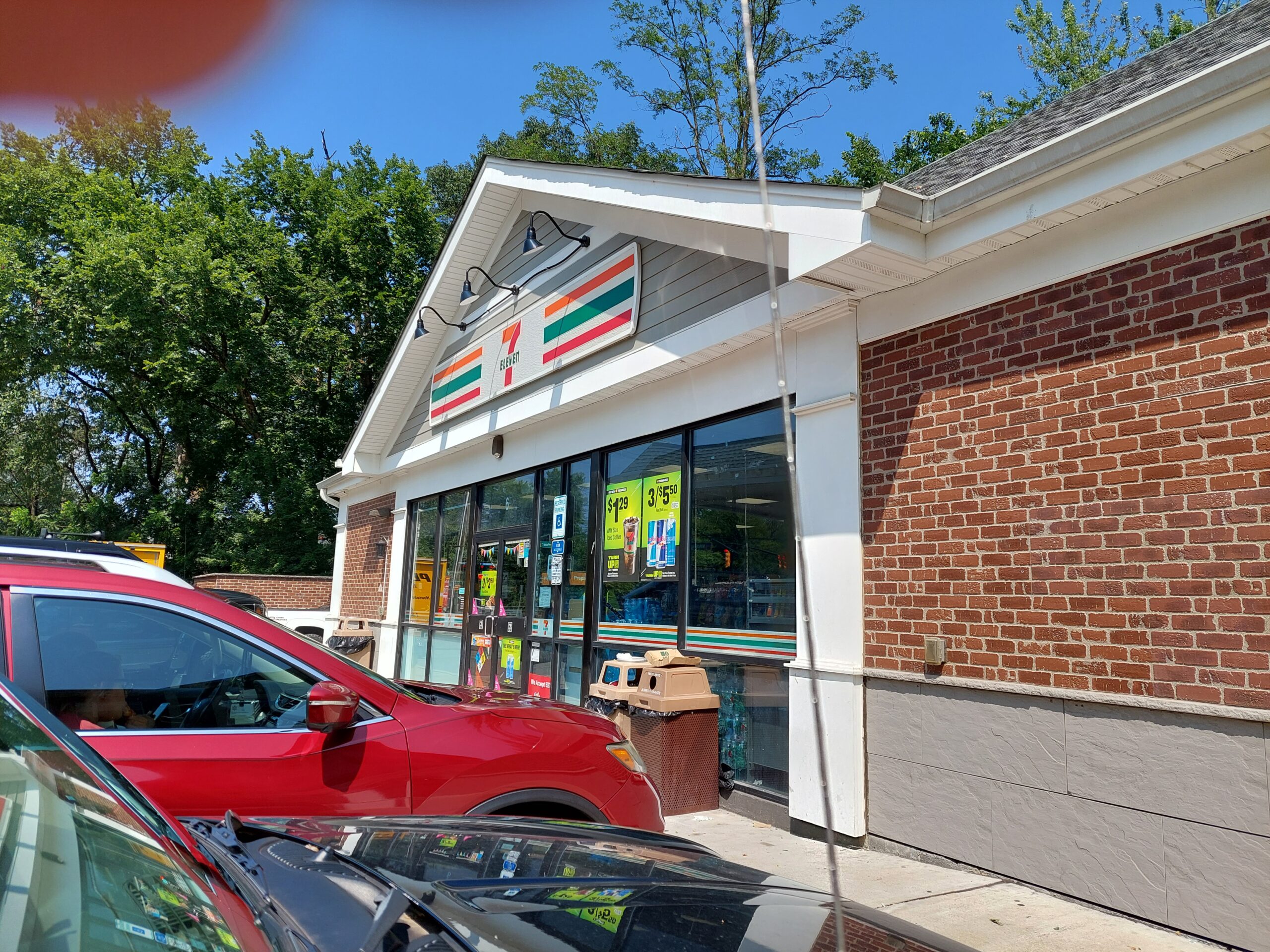
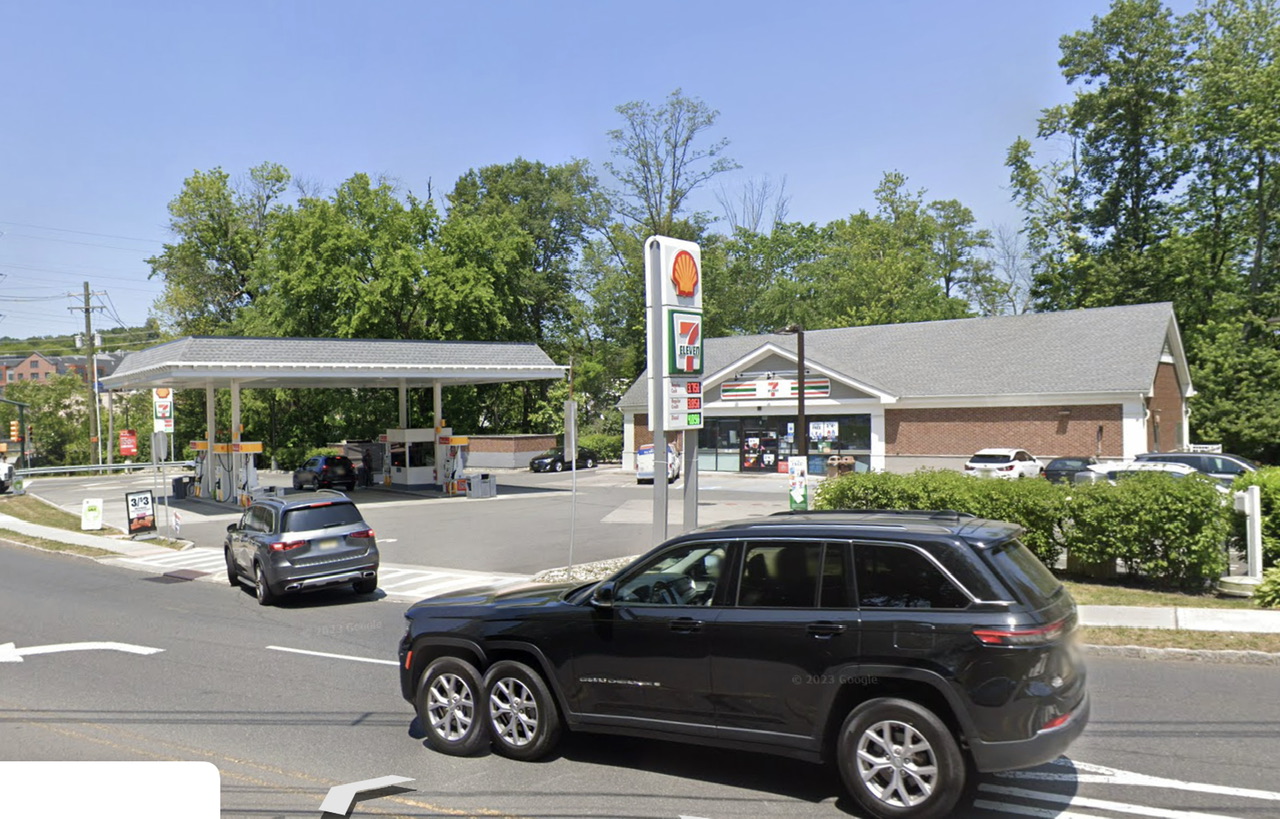
The applicant operates a similar gas/convenience store that’s open 24/7 just over the border in Summit. 18 County Rd 649 – Google Maps
The main difference is that the Shell/7-Eleven on River Road has a brick facade, instead of the vinyl siding the applicant plans for the TigerMart on Chatham’s Main Street.
By keeping long hours – often all night – convenience stores average 1,400 transactions per day, and most patrons (65%) consume their purchases on the spot. “Litter can be a significant challenge,” notes the trade association that advocates for the industry. @
Come to the public hearing, postponed yet again to November 15, 7:30 pm, at Chatham Borough Hall, 54 Fairmount Avenue, upper level.
That is your chance to get the facts, ask questions, make comments, and show you care about your town.
If you cannot be there in person, you can Zoom or call in. You’ll find the directions by clicking on the Zoning Board Meeting to be posted on the Borough calendar:
** Exactly what is the applicant proposing to build? To see the complete application, visit the Clerk’s office at Borough Hall, 54 Main Street or click on “Agenda Packet” for the Zoning Board at this link: https://chathamborough.granicus.com/ViewPublisher.php?view_id=1
Or download the basic application (no exhibits or supporting documents):